Skip to content
County Louth — photo by Hazazzy
Ireland › Counties › Louth

County Louth

Lú

Leinster · 72 places · 43 photos · 4 videos

Hero photo: Hazazzy · CC BY-SA 3.0

About County Louth

County Louth ( LOWDH; Irish: Contae Lú) is a coastal county in the Eastern and Midland Region of Ireland, within the province of Leinster. Louth is bordered by the counties of Meath to the south, Monaghan to the west, Armagh to the north and Down to the north-east, across Carlingford Lough. It is the smallest county in Ireland by land area and the 17th most populous, with just over 139,100 residents as of 2022. The county is named after the village of Louth. Louth County Council is the local authority for the county.

Intro from Wikipedia (CC BY-SA 4.0)

Explore Louth by category

Top 10 must-sees in Louth

View list page →
Roche Castle — photo by Hazazzy #1

Roche Castle

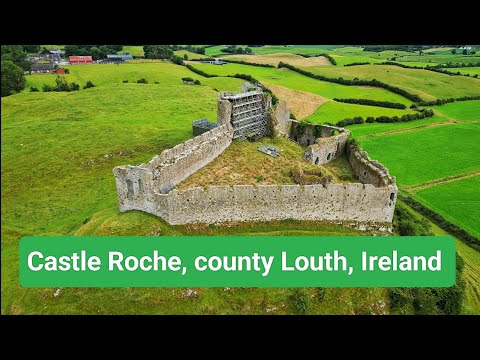
Castle Roche (Irish: Dún Gall) is a Norman castle located some 10 km (7 miles) north-west of Dundalk, County Louth, Ireland. It was the seat of the de Verdun family (also spelt de Verdon), who built the castle in 1236. It is built upon a large rocky outcrop and commands extensive views of the surrounding country. Together with a deep moat, its strong walls rendered it virtually impregnable. A secret passage once connected the castle to a round tower outpost. St. Ronan's Well lies nearby.

Popularity
45
Explore place →
Millmount Museum — photo by Cianwal #2

Millmount Museum

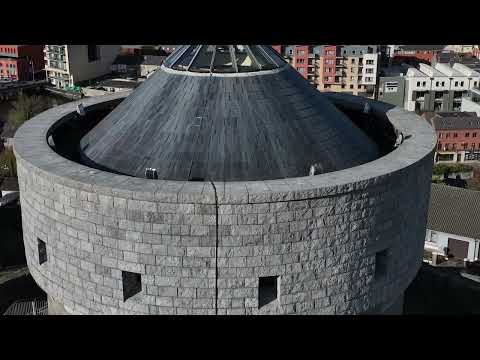
Millmount is a large fortified complex situated on a great mound on the South bank of the River Boyne located in Drogheda, County Louth, Ireland. The fort has played a crucial part in Drogheda's history and has been a dominant feature from Norman settlement, to Cromwell's invasion to the more recent Civil War in 1922, in which the famous Martello tower was shelled and all but destroyed. Today the complex houses the Millmount Museum which houses a wide variety of artifacts of local and national importance. The complex is Drogheda's most dominant feature, clearly visible from all parts of the town. The Martello tower is affectionately known as "The Cup and Saucer" by locals. The whole fort is a national monument and has been designated as Drogheda's Cultural Quarter.

Popularity
41
Explore place →
Barmeath Castle — photo by Kieran Campbell #3

Barmeath Castle

Barmeath Castle is a country house near Dunleer in the centre of County Louth. Of note are the castle's 10 acres of gardens designed by the 18th-century landscape architect Thomas Wright. Barmeath Castle was erected in the 15th century and the Bellew family have lived there since 1670. It is the ancestral seat of the Barons Bellew.

Popularity
38
Explore place →
Ardee Castle — photo by Nuala Furley #4

Ardee Castle

Ardee Castle also known as St. Leger's Castle, is a fortified medieval tower house in Ardee, County Louth in Ireland. Built in the 15th century, the castle was used as a prison during the 17th and 18th centuries and became Ardee's district courthouse until June 2006 when a specialised facility took its place. Ardee Castle is the largest fortified medieval Tower House in Ireland or Britain. The castle was originally built by Roger de Peppard in 1207, but not much is left from the original walls.

Popularity
36
Explore place →
Monasterboice Abbey — photo by Andreas F. Borchert #5

Monasterboice Abbey

The Monasterboice (Irish: Mainistir Bhuithe) ruins are the remains of an early Christian monastic settlement in County Louth in Ireland, north of Drogheda. The ruins are a national monument of Ireland and also give their name to the local village and to a civil parish of the same name.

Popularity
25
Explore place →
Muiredach's High Cross — photo by Adriao #7

Muiredach's High Cross

Muiredach's High Cross is a high cross from the 10th or possibly 9th century, located at the ruined monastic site of Monasterboice, in County Louth, Ireland. There are two other high crosses at Monasterboice; in local terms Muiredach's cross is also known as the South Cross. Muiredach's cross is the most impressive surviving example of early medieval Irish stonework, and the crosses at Monasterboice have been said to be Ireland's greatest contribution to European sculpture.

Popularity
24
Explore place →

Videos from Louth

CASTLE ROCHE, COUNTY LOUTH, IRELAND. AMAZING CASTLE FORGOTTEN BY HISTORY. MYTH AND LEGEND.

CASTLE ROCHE, COUNTY LOUTH, IRELAND. AMAZING CASTLE FORGOTTEN BY HISTORY. MYTH AND LEGEND.

Ever Wander

Roche Castle →
Millmount Museum  Milmount Ford drogheda

Millmount Museum Milmount Ford drogheda

Sophie’s Musical AI World

Millmount Museum →
Barmeath Castle ,Louth ,Ireland

Barmeath Castle ,Louth ,Ireland

itsmyireland

Barmeath Castle →
SLIGO, IRELAND | The Ultimate Travel Guide

SLIGO, IRELAND | The Ultimate Travel Guide

This is Ireland

The Eagles Rock →

All places in Louth

Showing 24 of 72 places

Roche Castle — photo by Hazazzy▶ Video
CastleLouth

Roche Castle

Castle Roche (Irish: Dún Gall) is a Norman castle located some 10 km (7 miles) north-west of Dundalk, County Louth, Ireland. It was the seat of the de Verdun family (also spelt de Verdon), who built the castle in 1236. It is built upon a large rocky outcrop and commands extensive views of the surrounding country. Together with a deep moat, its strong walls rendered it virtually impregnable. A secret passage once connected the castle to a round tower outpost. St. Ronan's Well lies nearby.

Millmount Museum — photo by Cianwal▶ Video
MuseumLouth

Millmount Museum

Millmount is a large fortified complex situated on a great mound on the South bank of the River Boyne located in Drogheda, County Louth, Ireland. The fort has played a crucial part in Drogheda's history and has been a dominant feature from Norman settlement, to Cromwell's invasion to the more recent Civil War in 1922, in which the famous Martello tower was shelled and all but destroyed. Today the complex houses the Millmount Museum which houses a wide variety of artifacts of local and national importance. The complex is Drogheda's most dominant feature, clearly visible from all parts of the town. The Martello tower is affectionately known as "The Cup and Saucer" by locals. The whole fort is a national monument and has been designated as Drogheda's Cultural Quarter.

Barmeath Castle — photo by Kieran Campbell▶ Video
CastleLouth

Barmeath Castle

Barmeath Castle is a country house near Dunleer in the centre of County Louth. Of note are the castle's 10 acres of gardens designed by the 18th-century landscape architect Thomas Wright. Barmeath Castle was erected in the 15th century and the Bellew family have lived there since 1670. It is the ancestral seat of the Barons Bellew.

Ardee Castle — photo by Nuala Furley
CastleLouth

Ardee Castle

Ardee Castle also known as St. Leger's Castle, is a fortified medieval tower house in Ardee, County Louth in Ireland. Built in the 15th century, the castle was used as a prison during the 17th and 18th centuries and became Ardee's district courthouse until June 2006 when a specialised facility took its place. Ardee Castle is the largest fortified medieval Tower House in Ireland or Britain. The castle was originally built by Roger de Peppard in 1207, but not much is left from the original walls.

Monasterboice Abbey — photo by Andreas F. Borchert
RuinsLouth

Monasterboice Abbey

The Monasterboice (Irish: Mainistir Bhuithe) ruins are the remains of an early Christian monastic settlement in County Louth in Ireland, north of Drogheda. The ruins are a national monument of Ireland and also give their name to the local village and to a civil parish of the same name.

Carlingford Castle — photo by jai
CastleLouth

Carlingford Castle

King John's Castle, also known as Carlingford Castle, is an enclosure castle and National Monument located in Carlingford, County Louth, Ireland.

Muiredach's High Cross — photo by Adriao
GeneralLouth

Muiredach's High Cross

Muiredach's High Cross is a high cross from the 10th or possibly 9th century, located at the ruined monastic site of Monasterboice, in County Louth, Ireland. There are two other high crosses at Monasterboice; in local terms Muiredach's cross is also known as the South Cross. Muiredach's cross is the most impressive surviving example of early medieval Irish stonework, and the crosses at Monasterboice have been said to be Ireland's greatest contribution to European sculpture.

Clochafarmore — photo by John Donnellan
Archaeological SiteLouth

Clochafarmore

Clochafarmore (Irish: Cloch an Fhir Mhóir, meaning "stone of the great man") is a menhir (standing stone) and National Monument in County Louth, Ireland.

Townleyhall passage grave — photo by Kieran Campbell
Archaeological SiteLouth

Townleyhall passage grave

Townleyhall passage grave is a chamber tomb located around 2 km north of Dowth tomb. It is part of the megalithic complex of Brú na Bóinne in County Louth, Ireland. It is located outside the World Heritage Site core area but (just) inside the buffer zone.

Castletown Motte — photo by Dundalk99
Archaeological SiteLouth

Castletown Motte

Dún Dealgan Motte is a motte and National Monument in Dundalk, Ireland.

Clermont Carn — photo by Peter Lyons
PeakLouth

Clermont Carn

Clermont Carn (Irish: Carnán Mhaighréid Náir, meaning 'cairn of noble Margaret'), also known as Black Mountain, is a mountain that rises to 510 metres (1,670 ft) in the Cooley Mountains of County Louth, Ireland. It is at the border with Northern Ireland, and is also the location of the Clermont Carn transmission site. The mountain's name refers to an ancient burial cairn on its summit, and to Lord Clermont of Ravensdale.

Darver Castle — photo by Garry Dickinson
CastleLouth

Darver Castle

Darver Castle is a fortified tower and manor house located in Readypenny, Dundalk, County Louth, Ireland, dating back to the 12th century. The name "Darver" is derived from the Gaelic word "Dairbhe" meaning "Oakwood."

Mint — photo by Norman McMullan
CastleLouth

Mint

The Mint is a fortified house and National Monument located in Carlingford, County Louth, Ireland.

Proleek Dolmen — photo by DarranRaff
MegalithLouth

Proleek Dolmen

Proleek Dolmen is a dolmen (portal tomb) and national monument in County Louth, Ireland.

Roodstown Castle — photo by Kieran Campbell
CastleLouth

Roodstown Castle

Roodstown Castle is a 15th-century tower house and National Monument located in County Louth, Ireland.

Termonfeckin Castle — photo by code poet
CastleLouth

Termonfeckin Castle

Termonfeckin or Termonfechin (Irish: Tearmann Feichín, meaning 'Féchín's church land') is a town and townland in County Louth, Ireland. It is within a civil parish of the same name, and is 8 km (5.0 mi) north-east of Drogheda. The population of Termonfeckin almost quadrupled in the period between the 1996 and 2022 census, growing from 530 to 1,983 inhabitants.

Magdalene Tower — photo by Cianwal
CastleLouth

Magdalene Tower

Magdalene Tower is a landmark located at the highest point of the northern part of Drogheda, County Louth, in Ireland. All that now remains of the once important Dominican Friary is the belfry tower. Lucas de Netterville, then Archbishop of Armagh, founded the monastery in about 1224. The tower itself is of 14th-century construction. It springs from a fine Gothic Arch, above which there are two further stories connected by a spiral staircase. The importance of this friary is signified by the fact that it was here that O'Donnell, O'Hanlon, McMahon, O'Neill and the other Ulster chiefs acknowledged their submission to Richard II of England, at the end of the 14th-century. The English novelist William Makepeace Thackery, who visited the Magdalene tower in 1842, described a manuscript at the British Museum 'which shows these yellow mantled warriors riding down to the King, splendid in his forked beard, peaked shoes, and long dangling scalloped sleeves down to the ground. They flung their skenes or daggers at his feet, and knelt to him and were wonder-stricken by the richness of his tents and the garments of his knights and ladies'. In 1412 its Abbot, Father Bennett, was the peacemaker in the conflict between the people on either side of the River Boyne leading to the uniting of Drogheda. In 1467 Thomas Earl of Desmond also conventionally called "Thomas of Drogheda" was beheaded on the 'north commons of Drogheda' for treason against the King. He had passed an Act setting up a university at Drogheda, but the project died along with him. The battlements of the tower were badly damaged by Cromwell's cannon during the siege of 1649. The tower was located near to the now-demolished St Sunday's Gate and was located just inside the northern walls of the town. The religious life of Drogheda was utterly transformed by the measures taken to progress the Reformation in Ireland. The great abbeys, priories and hospitals all disappeared and their lands were taken by the Crown.

St. Mochta's House — photo by LouthHeritage
ChurchLouth

St. Mochta's House

St. Mochta's House is a medieval oratory and National Monument in County Louth, Ireland.

Beaulieu House and Gardens — photo by Karora
GeneralLouth

Beaulieu House and Gardens

Beaulieu House and Gardens () is an estate in Drogheda, County Louth, Ireland. It was once thought to have been built in the 1660s, although later research seems to suggest it was built around 1715 incorporating elements of an earlier structure, and it includes a terraced walled garden. It is located 2 miles (3.2 km) east of Drogheda less than half a mile from the estuary of the River Boyne. It is one of the earliest surviving examples of an unfortified major house built in Ireland, and one of very few of the type built in the Dutch style. A similar surviving example is the Red House in Youghal, which was constructed around 1703.

Dromiskin Monastery — photo by Kieran Campbell
AbbeyLouth

Dromiskin Monastery

Dromiskin Monastery is a medieval monastery and National Monument located in Dromiskin, County Louth, in Ireland.

Greenmount Motte — photo by Kieran Campbell
Archaeological SiteLouth

Greenmount Motte

Greenmount Motte is a motte and National Monument in County Louth, Ireland.

Louth County Museum — photo by GilPe
MuseumLouth

Louth County Museum

County Museum Dundalk (Irish: Músaem Chontae Dhún Dealgan) is a museum located in Dundalk which documents the history of County Louth. The museum is housed in the Carroll Centre at Roden Place in Jocelyn Street, in a restored 18th century warehouse which was once part of Dundalk Distillery.

Mansfieldstown Church — photo by Kieran Campbell
RuinsLouth

Mansfieldstown Church

St. Mary's Church, Mansfieldstown is a medieval church and National Monument in County Louth, Ireland.

Rockmarshall Court Tomb — photo by Eric Jones
Archaeological SiteLouth

Rockmarshall Court Tomb

Rockmarshall Court Tomb is a court cairn and National Monument located on the Cooley Peninsula, Ireland.

More counties in Leinster